Home Window Tinting: Comfort, Privacy, Savings
Explore home window tinting benefits, types, and tips for smarter energy use, privacy, and UV protection.
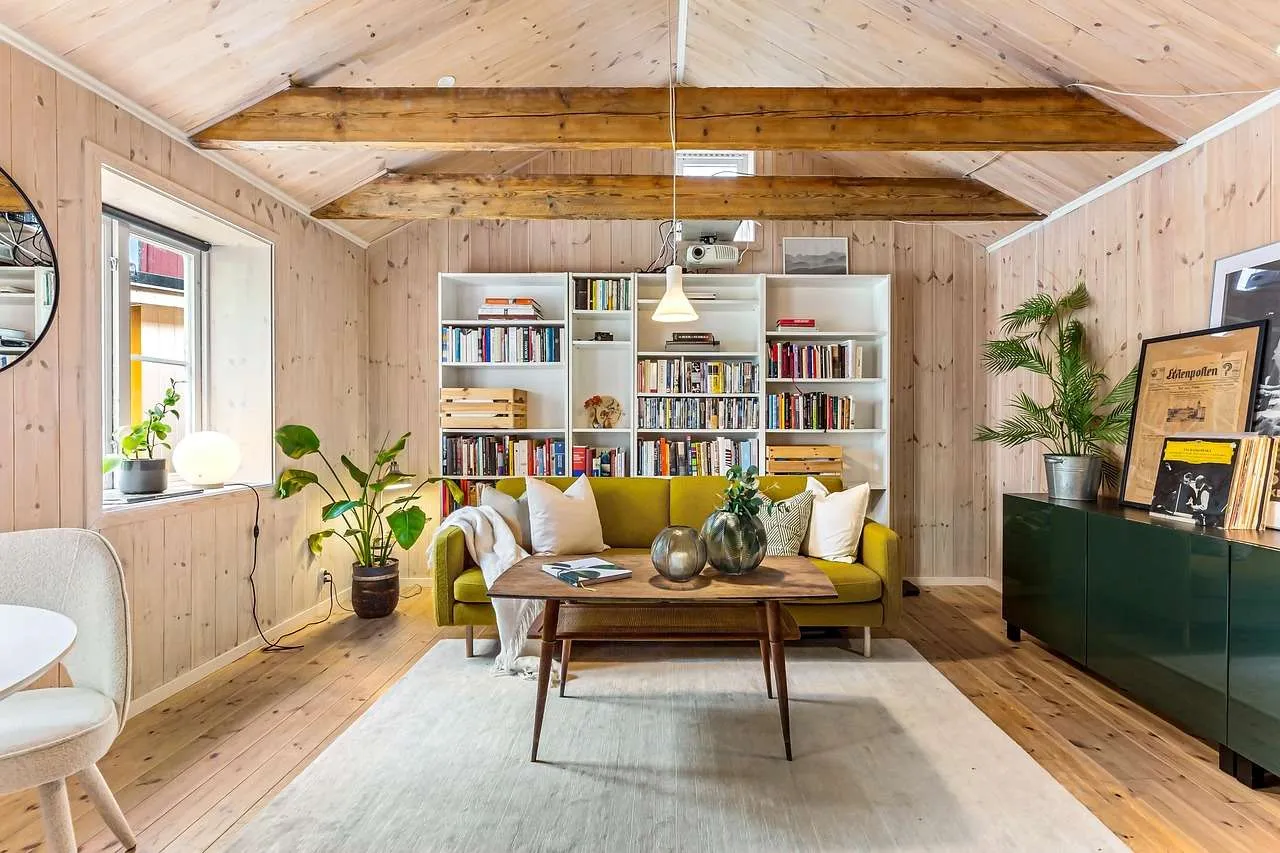
Home window tinting is a practical upgrade for modern homes, combining comfort, privacy, and energy savings. With a growing focus on indoor climate control, many homeowners look to tinted films as a cost-effective alternative or complement to blinds and shades. This article outlines how home window tinting works, the benefits, the main film types, installation considerations, maintenance, and how to choose the right option for your climate and budget. The guidance here reflects industry standards and best practices from reputable manufacturers and professional installers.
What is home window tinting and how does it work?
Window tinting for homes involves applying a thin film to interior or exterior glass panes. The film can be dyed, metalized, ceramic, carbon, or a hybrid combination. Each type alters how sunlight and heat interact with a glass surface by absorbing, reflecting, or dissipating solar energy. In practical terms, tinting reduces heat gain from the sun, lowers glare on screens and in living spaces, blocks a portion of ultraviolet (UV) radiation, and can add a degree of privacy without sacrificing natural light.
Benefits of home window tinting
- Energy efficiency and comfort: By reducing heat transfer, tinting lowers cooling demands in summer and can help maintain stable indoor temperatures year-round, potentially lowering utility bills.
- UV protection: Most window films block a large share of UV rays, which helps protect furnishings, flooring, and artwork from fading and reduces skin exposure indoors.
- Privacy and glare reduction: Tinted films limit visibility from outside while preserving outward clarity, cutting glare on TVs and computer screens.
- Safety and security: Some films hold shattered glass together if a window is broken, adding a layer of protection for homes with children or in areas prone to break-ins.
- Aesthetics and curb appeal: A uniform tint can enhance the look of a home and complement architectural lines without heavy drapes or blinds.
Types of window tint films for homes
Choosing the right film depends on climate, budget, windows, and the desired balance of light and privacy. Here are common options:
Dyed films
Dyed films are typically the least expensive and provide noticeable glare reduction and a darker appearance. They offer decent privacy but have moderate fade resistance and can be less durable over time if not professionally installed.
Metalized (reflective) films
Metalized films reflect a portion of solar energy, yielding strong heat rejection and glare control. They can interfere with electronic signals (like Wi-Fi or cell service) if installed on multiple panes, and they may appear reflective from the outside during daylight.
Ceramic films
Ceramic or multi-chemical films prioritize performance without metal, delivering excellent UV rejection, high heat reduction, and minimal signal interference. They are more expensive but often offer the best long-term value for comfort and safety.
Carbon films
Carbon films provide strong heat rejection with a non-reflective appearance. They maintain color over time and offer good durability with solid UV protection, making them a popular mid-to-high range option.
Hybrid and nano-ceramic films
Hybrid and nano-ceramic films combine materials to balance cost and performance. They typically deliver strong durability, good UV blockage, and low reflectivity, suitable for homes that want a discreet look with reliable performance.
How to choose the right film
To select the best home window tint, consider: climate (extreme heat vs. mild temperatures), window orientation (south-facing walls gain more sun), room usage (home offices vs. living rooms), and existing glazing. Check for UV rejection ratings (they commonly show % UV blocked), visible light transmission (VLT) for how bright a room will feel, and the film’s warranty. If your windows are crucial for safety or if you live in an area with strict building codes, consult a licensed installer who can verify compliance and ensure proper installation to avoid air pockets and bubbling.
DIY vs professional installation
DIY tint kits are available, but professional installation offers higher reliability, especially for large or irregular-shaped windows. Professionals ensure precise cuts, bubble-free finishes, and correct adhesion while editing for edge gaps and temperature-related issues. A professional install also often includes a warranty on both the film and the workmanship, which adds long-term value and peace of mind.
Maintenance and care
Maintenance is usually straightforward. Wait for the film to cure after installation (as advised by the installer), then clean with soft cloths and a mild soap solution. Avoid ammonia-based cleaners that can damage some films. Inspect edges periodically and address any lifting or bubbling promptly with the installer’s guidance to maintain performance and appearance.
Cost, ROI, and longevity
Cost varies by film type, window size, and labor. Dyed films are the most affordable, while ceramic and carbon films run higher but deliver better energy savings and durability. ROI hinges on climate and energy costs; many homeowners experience noticeable savings on cooling bills within a season or two. A high-quality film can last 10–20 years with proper care and professional installation, whereas low-cost options may require replacement sooner.
Comparison at a glance
| Film Type | UV Rejection | Heat Reduction | Glare Reduction | Durability | Typical Cost |
|---|---|---|---|---|---|
| Dyed | Moderate | Moderate | Low to Moderate | Low to Moderate | Low |
| Metalized | High | High | High | High | Moderate |
| Ceramic | Very High | Very High | High | Very High | High |
| Carbon | High | High | Moderate | High | Mid to High |
| Hybrid / Nano-ceramic | High | High | Moderate to High | High | Mid to High |
Frequently asked questions
How long does home window tinting last? Quality films typically last 10–20 years with proper care and professional installation. Will tinting affect natural light? Most films maintain good daylighting while reducing glare; choose a film with an appropriate VLT for your space. Is tinting legal everywhere? Local laws vary; always verify with local building codes and homeowners associations before installation.
In conclusion, home window tinting is a versatile upgrade that can improve comfort, protect interiors, and save energy when you choose the right film and rely on an experienced installer. A well-planned tint project aligns with climate, design, and budget, delivering long-term value and a more enjoyable living space.
Conclusion, selecting the right film involves assessing climate, viewing needs, and budget; professional installation ensures optimal performance, warranty coverage, and a clean, lasting finish. With the right film and expert install, home window tinting can transform comfort, privacy, and energy efficiency for years to come.
Summary: Home window tinting offers measurable benefits in comfort, UV protection, energy efficiency, and safety. By understanding film types, installation options, maintenance, and costs, homeowners can make an informed choice that enhances living spaces while delivering lasting value.